Ratchet & Clank 1 (Lombyte)
Source code reconstructed from the original game's compiled binary, so the game can be understood, rebuilt and ported.
Based on Ratchet & Clank
compare all 3 clones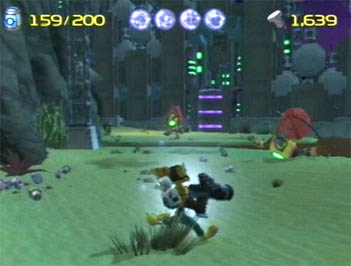
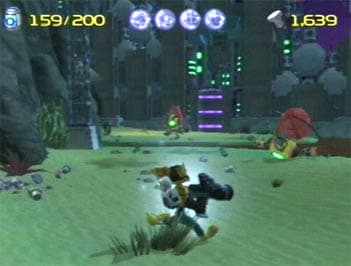 Original game image
About
Lombyte is a work-in-progress, byte-matching decompilation of Ratchet & Clank (2002) for PlayStation 2, reconstructing the game code in readable C. Its long-term goal is a native Rust port. The README says the project is AI-assisted, with every pull request and issue reviewed manually.
How it differs from the original
Only the USA / NTSC-U release is targeted. PAL, NTSC-J and the PlayStation 3 remaster are not supported.
Getting started
The project includes no game data, executables, disc images or proprietary toolchains, so a legitimately obtained USA / NTSC-U copy is required. A setup script takes the path to your ISO, and a build guide in the repository covers Windows, macOS and other options.
Known issues & limitations
- The project does not include game data, executables, or disc images.
What you need to run it
Features
- The project is reconstructing the game's original code in readable C; a native Rust port is a long-term goal.
Summarised from the project's README.
Licensing & legal
- Repository code is under the MIT License; code reconstructed from third-party binaries remains the property of its copyright holders.
Credits & contributing
- Contributions of matching C, recovered names, types and documentation are welcome, but game images, extracted game data and proprietary compiler binaries must not be submitted.
FAQ
- What is Ratchet & Clank 1 (Lombyte)?
- Ratchet & Clank 1 (Lombyte) is an open-source decompilation of Ratchet & Clank. Source code reconstructed from the original game's compiled binary, so the game can be understood, rebuilt and ported.
- Do I need the original game files to run Ratchet & Clank 1 (Lombyte)?
- Yes. The project does not include the original game's assets, so you need your own copy.
- How is Ratchet & Clank 1 (Lombyte) licensed?
- project: MIT License (Repository code); respective copyright holders: remains the intellectual property of the respective copyright holders (Code reconstructed from third-party binaries). The repository itself is the authoritative source.
More like Ratchet & Clank 1 (Lombyte)
Original game imageOriginal game image