ClassiCube
Based on Minecraft
About
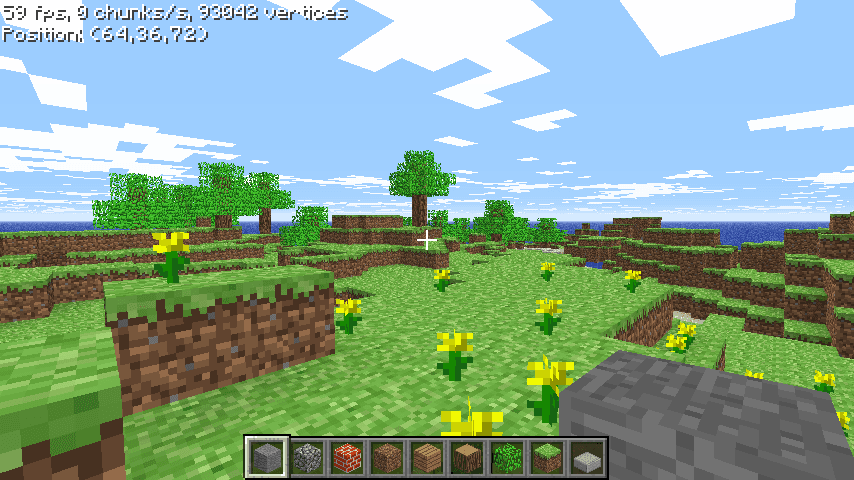
ClassiCube specifically replicates the 2009 Minecraft Classic client — an early browser-based version of Minecraft — rather than the modern game, per the README's own framing. ClassiCube is a from-scratch, open-source client written in C that's compatible with Minecraft Classic, aiming to replicate the 2009 Minecraft Classic client with optional enhancements (custom blocks, custom models, configurable environment colors) layered on top. It runs on a very wide range of platforms — Windows, macOS, Linux, Android, iOS, web browsers, several less common OSes, and numerous game consoles, with several console ports still unfinished and having performance or stability issues.
How it differs from the original
Unlike the original 2009 Minecraft Classic, ClassiCube adds optional custom blocks, custom models, and configurable environment colors, and only partially supports some pre-0.30 Minecraft Classic features. It's deliberately not extended to support survival mode, Minecraft accounts, or modern Minecraft servers.
Getting started
Running the client for the first time downloads required assets from minecraft.net and classicube.net. Singleplayer mode is available immediately from the main menu, while multiplayer supports both LAN/self-hosted servers and classicube.net servers, with the latter requiring a free ClassiCube account.
History
The project is developed via strict clean-room reverse engineering of the original Minecraft Classic client's behavior, and the team solicits community help documenting or verifying that original behavior.
Known limitations
- platform: Major rendering and stability issues on Saturn.
- platform: 32x port has terrible performance and is practically unusable.
- platform: GBA port has terrible performance and is practically unusable.
- platform: Xbox 360 port is completely unfinished and broken on real hardware.
Media
Additional notes
- Disclaimer
- ClassiCube is not affiliated with or supported by Mojang, Minecraft, or Microsoft.
- Audio
- In-game sounds are sourced from Freesound.org.